The space-saving, budget-friendly game changer for home workouts.
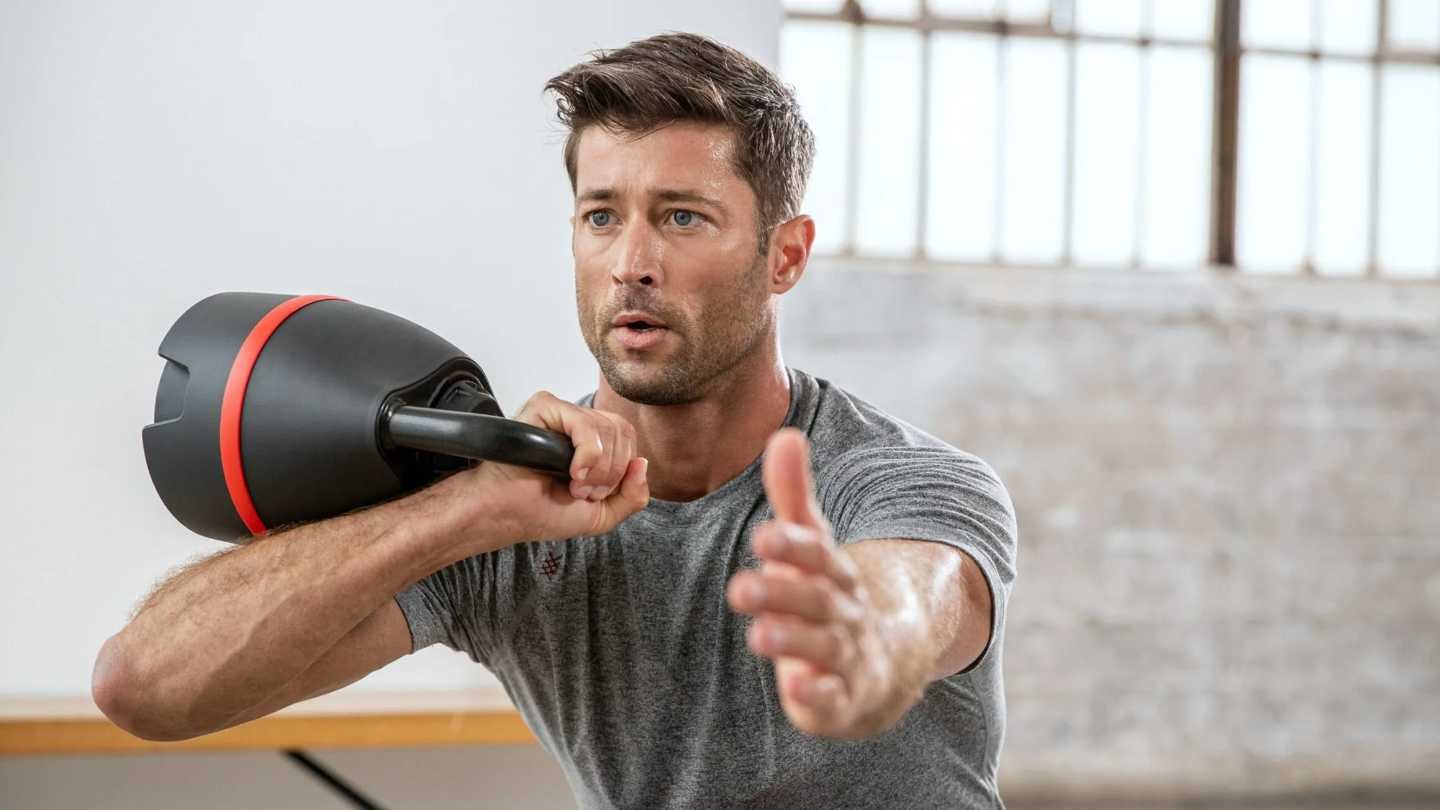
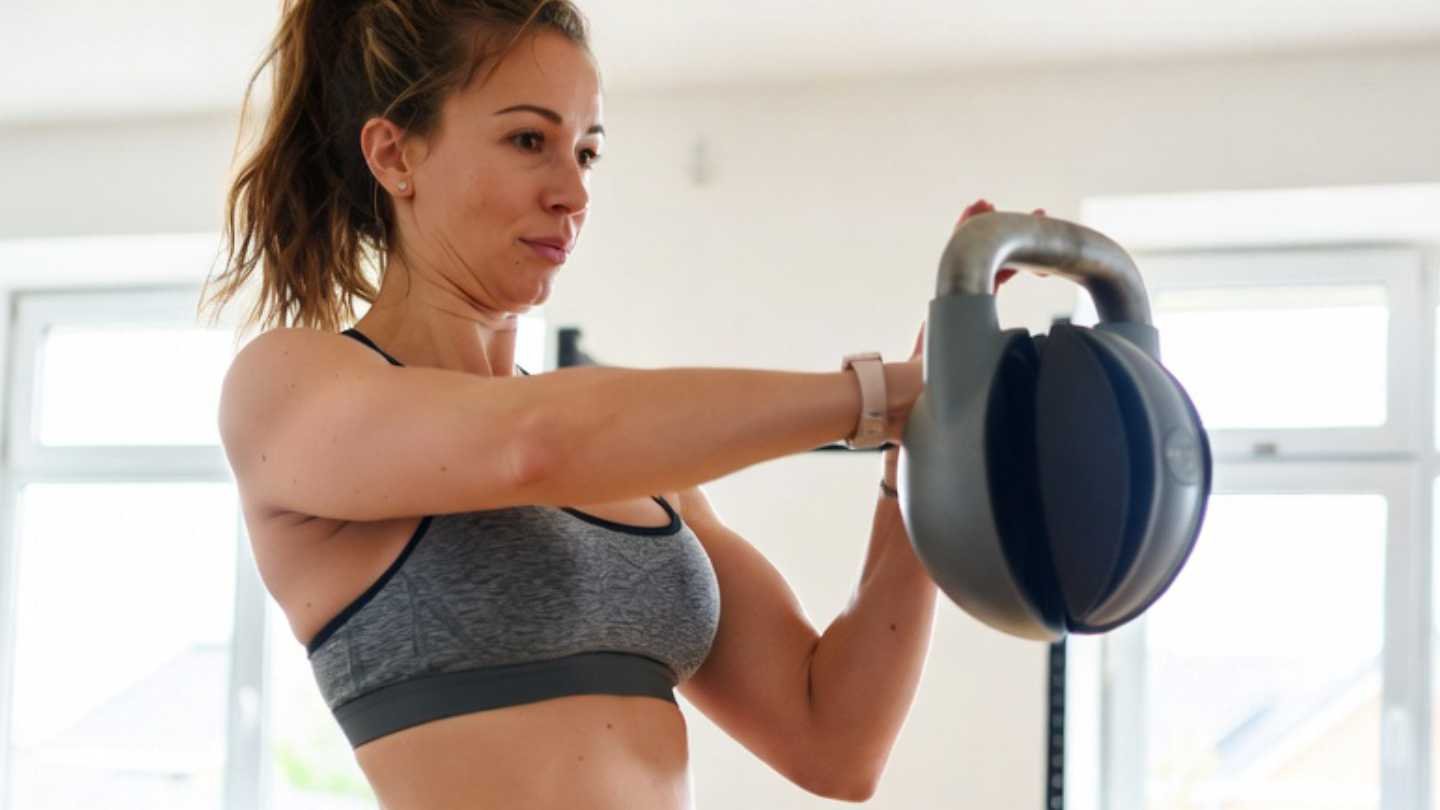
The adjustable kettlebell (sometimes called an "adjustable kettle ball") stands out as one of the smartest choices for most home gyms because it delivers massive versatility while solving the two biggest pain points of traditional kettlebells: space and cost.
1. Space-Saving Magic
Traditional kettlebells come in fixed weights (usually jumping by 4–8 kg / 9–18 lbs). To progress properly, you often need 5–10+ different bells. That quickly turns into a pile of iron taking up floor space or requiring a dedicated rack.
An adjustable kettlebell replaces an entire set with one single unit. You add or remove weight plates inside or around it to dial in the exact load you need. Many models go from ~8–24 kg or 12–32 kg (or more), so one tool covers beginner to intermediate (and sometimes advanced) training. Perfect for apartments, garages, or any home setup where every square foot counts.
2. Cost-Effective
Buying a full set of quality cast-iron or competition kettlebells can easily run $300–$800+. A good adjustable version often costs less than half that while giving you the same (or greater) weight range. It's especially smart if you're just starting out or testing whether kettlebell training fits your style before committing to a big collection.
3. Progressive Overload Made Simple
Kettlebell training shines for building functional strength, grip, core stability, power, and conditioning through moves like swings, cleans, presses, snatches, Turkish get-ups, goblet squats, and complexes. With an adjustable bell, you can make tiny or large weight jumps as you get stronger—no need to buy the next size up every few months. This supports safe, gradual progression for beginners and fine-tuning for more experienced lifters.
4. Full-Body Workouts in Minimal Space
One (or a pair of) adjustable kettlebells can give you a complete strength + cardio session without needing much else. They're excellent for:
- Explosive power (swings)
- Upper-body pressing/pulling
- Lower-body strength (squats, lunges)
- Core and stability work
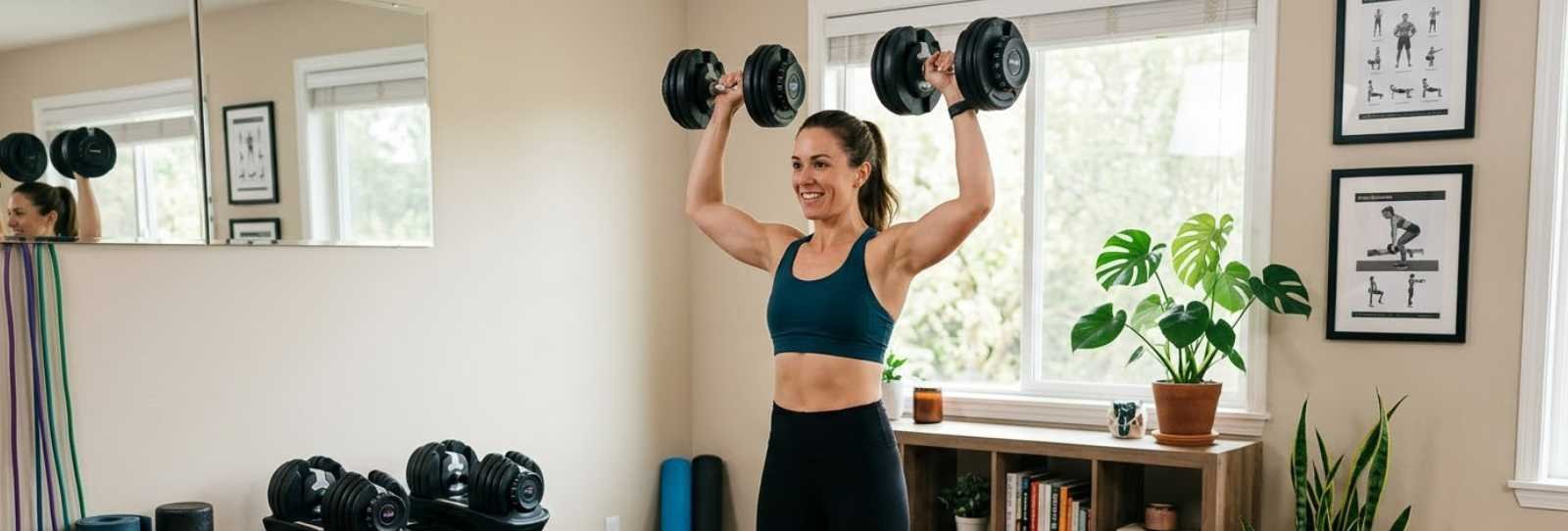
Many people combine them with adjustable dumbbells or bodyweight moves for a very compact, effective home gym.
Bonus: Modern Designs Feel Close to Traditional Bells
Early adjustable kettlebells sometimes felt bulky or unbalanced, but newer competition-style models (like those from REP Fitness, Bells of Steel, or Freak Athlete) keep a consistent shape and balance across weight settings. This lets you perform technical moves (cleans, snatches) smoothly without the bell feeling completely different at each load.
Quick Caveats (to be realistic)
- Adjustment time: Changing weight takes 10–60 seconds depending on the model (some are faster than others). Fine for most home workouts, but traditional fixed bells are instant.
- Minimum weight: Most start around 8–12 kg (18–26 lbs), so true beginners or petite users might still need a cheap light fixed bell to start.
- Feel: Some rattle slightly or have a different center of gravity compared to a solid cast-iron bell, though high-quality ones minimize this.
Bottom line: If you have limited space, a limited budget, or just want maximum versatility without clutter, an adjustable kettlebell is an outstanding choice. It keeps your home gym minimal, lets you progress at your own pace, and still delivers all the classic kettlebell benefits—strength, conditioning, and fun ballistic training—from one compact tool.
Popular well-reviewed options in 2026 include REP Fitness, Bells of Steel, Titan, and PowerBlock models—many home gym owners call them a "game-changer" for exactly these reasons. If you're short on room or money but want serious training capability, this is hard to beat.
0 Comments